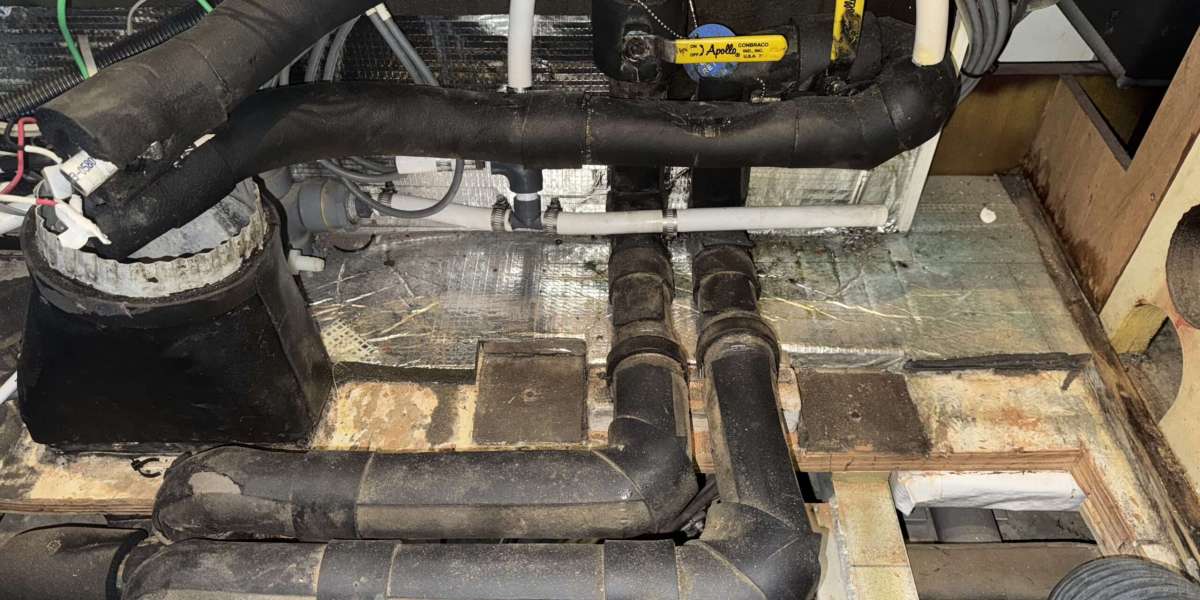
When cruising across the water, the last thing you want is the persistent hum of engines or the noisy roar of waves interfering with your onboard comfort. For boat and yacht owners, creating a quiet, peaceful, and comfortable environment is essential, not only for relaxation but also for maintaining the overall longevity and functionality of the vessel. This is where marine noise insulation becomes indispensable.
Marine soundproofing is a specialized field that involves using various techniques and materials to reduce unwanted noise. Whether you're looking to block engine noise, minimize wind sound, or dampen the natural acoustics of water, effective noise insulation is crucial for ensuring a serene experience on the water. The importance of marine noise insulation cannot be understated, as it not only improves comfort but also enhances safety by enabling better communication among passengers and crew.
Understanding Marine Noise and Its Sources
Before delving into the methods and materials for marine soundproofing, it’s important to understand the sources of noise. On boats and yachts, sound can originate from a variety of sources:
Engine Noise: One of the most prominent and often disruptive noises. Engines generate vibrations and sound waves that propagate throughout the vessel, making the cabin or deck an unpleasant environment.
Water Impact Noise: The slapping of water against the hull, especially during rough conditions, can generate considerable noise.
Wind Noise: The force of the wind as the boat cuts through the water can create a continuous, high-pitched noise.
Electrical Equipment and Appliances: Many boats are equipped with generators, air conditioning systems, or water pumps, all of which contribute to the soundscape of your vessel.
By understanding these common noise sources, boat and yacht owners can better target the specific types of noise that need to be controlled.
Key Materials for Marine Noise Insulation
Effective marine noise insulation requires the use of specialized materials that are both durable and efficient at sound absorption. There are several different materials that are commonly used for marine soundproofing:
Acoustic Foam: This material is widely used for soundproofing due to its ability to absorb sound waves effectively. It is lightweight, moisture-resistant, and can be applied to walls, ceilings, or floors to dampen vibrations and airborne noise.
Mass Loaded Vinyl (MLV): A dense and flexible material, MLV is ideal for blocking low-frequency sounds such as engine rumble. It is often used in combination with other materials to provide maximum noise isolation.
Fiberglass Insulation: Known for its excellent soundproofing properties, fiberglass is commonly used in marine settings. It can be installed in the hull, ceilings, or walls to absorb sound and prevent the transmission of noise.
Soundproofing Mats: These mats are typically made from rubber and are designed to reduce vibration and sound transmission. They are especially useful in engine rooms where vibrations are prevalent.
Closed-Cell Foam: Often used in combination with other materials, closed-cell foam is a versatile option for insulating a boat or yacht. It provides both soundproofing and thermal insulation, making it ideal for engine compartments and hull areas.
Effective Techniques for Installing Marine Noise Insulation
Proper installation of marine noise insulation is key to its success. Incorrect installation can result in poor performance or limited noise reduction. Below are some effective techniques for ensuring that marine soundproofing is as efficient as possible:
Engine Room Soundproofing
The engine room is one of the loudest areas on a boat or yacht. Soundproofing this space is vital for minimizing engine noise. Using materials like MLV, acoustic foam, and soundproofing mats in this area can significantly reduce noise transmission to the rest of the vessel.
Hull Insulation
The hull of a boat or yacht is the primary contact point with water, making it an essential area for noise reduction. By applying soundproofing materials like fiberglass insulation and closed-cell foam to the hull’s interior, vibrations from the water can be minimized, ensuring a quieter ride.
Interior Space Insulation
In addition to focusing on the engine room and hull, consider applying soundproofing materials to other key areas, such as cabins and lounges. Acoustic foam panels, soundproofing curtains, and carpets can help absorb sound waves and reduce the overall noise level in the interior spaces.
Vibration Dampening
In addition to isolating noise from external sources, addressing vibrations is crucial. Vibration dampening mats or pads can be placed under heavy equipment or machinery to prevent vibrations from being transmitted throughout the vessel.
Maintenance of Marine Noise Insulation
Once you have installed effective marine noise insulation on your boat or yacht, regular maintenance is necessary to maintain its effectiveness. Over time, materials may degrade or become damaged due to exposure to moisture, temperature fluctuations, or physical wear. To ensure continued performance:
Inspect for Damage: Regularly check the insulation materials for signs of wear, moisture buildup, or degradation. This is particularly important for areas exposed to high humidity or temperature changes.
Clean the Materials: Dust and debris can accumulate on soundproofing materials, reducing their effectiveness. Periodically clean the materials to maintain their performance.
Check for Gaps: Insulation works best when it forms a continuous barrier. Check for any gaps or spaces where noise may be slipping through and address them promptly.
The Benefits of Marine Noise Insulation
The investment in marine soundproofing offers numerous benefits, including:
Improved Comfort: A quieter environment makes for a more enjoyable boating or yachting experience, allowing passengers to converse without shouting or disturb each other’s peace.
Enhanced Communication: In noisy environments, communication can become difficult. Marine noise insulation enables better clarity for crew members and passengers, improving safety and efficiency.
Protection for Equipment: Reducing vibrations can prevent wear and tear on sensitive equipment, prolonging the lifespan of both machinery and structural components.
Health Benefits: Long-term exposure to high noise levels can cause hearing damage. Proper insulation helps protect your hearing from the constant hum of engine and wind noise.
Conclusion
In summary, investing in marine noise insulation for boats and yachts is a smart move for enhancing comfort and protecting your vessel’s long-term integrity. Whether you’re concerned about engine noise, water impact sounds, or the constant hum of wind, there are several effective materials and techniques available to address each issue. By choosing the right soundproofing materials and applying them correctly, you can create a quieter, more enjoyable environment on the water, ensuring that your boating or yachting experience is as serene as possible.
With the right approach to marine noise insulation, you’ll not only enjoy a peaceful voyage but also enhance your boat or yacht’s overall performance and longevity.